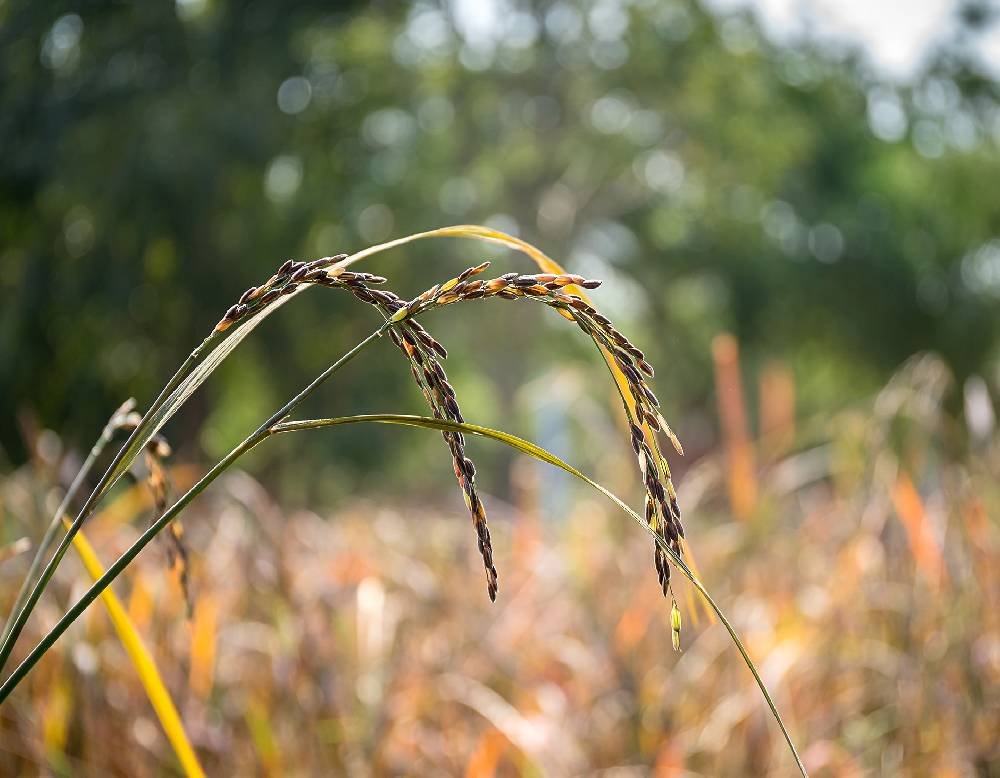
When a plant grows more slowly than expected, develops smaller new leaves, or shows generally sluggish growth, these can be among the first signs to go unnoticed during production. However, slowed growth may be an important indication of a problem in the root zone or growing conditions.
Nutrient deficiencies, water stress, soil salinity, unsuitable pH, and problems in the root zone can all affect plant growth. Therefore, when a plant shows slowed development, the priority should not simply be to “apply more fertilizer,” but to identify the underlying cause.
Plants require essential nutrients such as nitrogen, phosphorus, potassium, calcium, magnesium, and sulfur to grow, produce new tissues, and maintain their metabolic processes.
When one or more of these nutrients are insufficient, plant growth and development can be negatively affected.
In particular, nitrogen and phosphorus deficiencies can have significant effects on plant development. A study published in 2025 examined deficiencies of six different macronutrients in tomato plants and found that nitrogen and phosphorus deficiencies significantly suppressed vegetative growth. Nitrogen deficiency was associated with a reduction in plant height of up to 52.67%.
A broader systematic review and meta-analysis published in 2022 evaluated 50 field studies. The results showed that nitrogen deficiency reduced root length by an average of 9%, while phosphorus deficiency reduced it by 14%. Root biomass decreased by 7% and 25%, respectively.
In short: When a plant cannot access sufficient and balanced nutrients, reduced growth can be one of its earliest warning signals.
The presence of a nutrient in the soil does not necessarily mean that the plant can use it.
Soil pH, texture, organic matter, and other soil properties can affect nutrient availability. The FAO considers soil pH, organic carbon, and texture among the key indicators when evaluating nutrient availability.
For example, under unsuitable pH conditions, some nutrients may become less available for plant uptake. A technical resource published by Pennsylvania State University on soil pH also states that pH directly affects nutrient availability and that some micronutrient deficiencies may occur not because the element is absent from the soil, but because soil pH limits its availability.
Therefore, when plant growth slows, it is important to ask not only “Which fertilizer should be used?”, but also “How effectively can the plant utilize the nutrients already present?”
Plant development is not limited to leaves and stems. The root system plays a fundamental role in water and nutrient uptake.
Nutrient deficiency can alter root development and the distribution of resources between roots and shoots. The 2022 meta-analysis covering 50 field studies demonstrated that nitrogen and phosphorus deficiencies can lead to significant reductions in root length and root biomass.
Nutrient availability in the root zone is also closely associated with plant development. Another meta-analysis published in 2022 demonstrated that nutrient availability around the roots is one of the factors directly influencing plant growth.
Therefore, when small leaves, short shoots, or slow stem development are observed, the source of the problem may be below the soil surface.
Nutrient deficiency is not always the reason for poor development.
Insufficient or irregular irrigation and prolonged water stress can negatively affect photosynthesis and plant growth.
A meta-analysis published in 2020 evaluated 1,301 observations from 84 studies. The results showed that water stress significantly suppressed plant growth and photosynthesis. The negative effects generally increased as the severity and duration of stress increased.
For this reason, particularly during hot periods, water management and plant nutrition should be evaluated together.
Another factor that should be considered when plant growth slows is soil salinity.
High salt concentrations can make water uptake more difficult and may cause nutrient imbalances due to excessive uptake of certain ions. According to FAO resources on the management of saline soils, high salinity can disrupt plant nutrition and consequently lead to growth reduction and nutrient imbalances.
Therefore, particularly in irrigated production areas, when poor growth is observed, attention should be given not only to the fertilization program but also to the salinity levels of the soil and irrigation water.
The first step when a plant shows slowed growth is to interpret the symptoms correctly.
Soil analysis is an important starting point for evaluating nutrient levels and soil conditions. In addition, irrigation practices, soil pH, salinity, root-zone conditions, and the plant’s overall development should be assessed together.
The fertilization program should be planned according to the plant species, growth stage, growing conditions, and soil analysis results.
Because proper plant nutrition is not simply about adding the nutrient that appears to be missing. The real objective is to provide the nutrients the plant needs, at the right time, in the right amounts, and in a balanced way.
Slowed growth is a warning signal from the plant.
This warning may be caused by nutrient deficiency, but it can also result from water stress, soil salinity, pH imbalance, or problems within the root zone.
For healthy and productive cultivation, it is essential to identify these symptoms early, properly analyze the soil and growing conditions, and establish a balanced nutrition program based on the plant’s needs.
Healthy growth starts with proper nutrition.
[1] Akınoğlu, G. (2025). Macronutrient deficiencies in tomato plants: impacts on symptomatology, growth, physiology, fruit yield, and quality. Notulae Botanicae Horti Agrobotanici Cluj-Napoca, 53(2), 14523. DOI: 10.15835/nbha53214523.
*[2] Nutrient deficiency effects on root architecture and root-to-shoot ratio in arable crops (2022). Frontiers in Plant Science. Systematic review and meta-analysis of 50 field studies.
[3] Sun, Y., Wang, C., Chen, H. Y. H., & Ruan, H. (2020). Response of Plants to Water Stress: A Meta-Analysis. Frontiers in Plant Science, 11, 978. DOI: 10.3389/fpls.2020.00978.
[4] Liu, S. et al. (2022). Nutrients in the rhizosphere: A meta-analysis of content, availability, and influencing factors. Science of the Total Environment, 826, 153908. DOI: 10.1016/j.scitotenv.2022.153908.
[5] FAO – Soil Qualities for Crop Production. Soil pH, nutrient availability, rooting conditions, and salinity in relation to agricultural production.
[6] FAO – Saline Soils and Their Management. Effects of salinity on plant nutrition, nutrient uptake, and growth.
Citsa Tarım © 2026
copyright