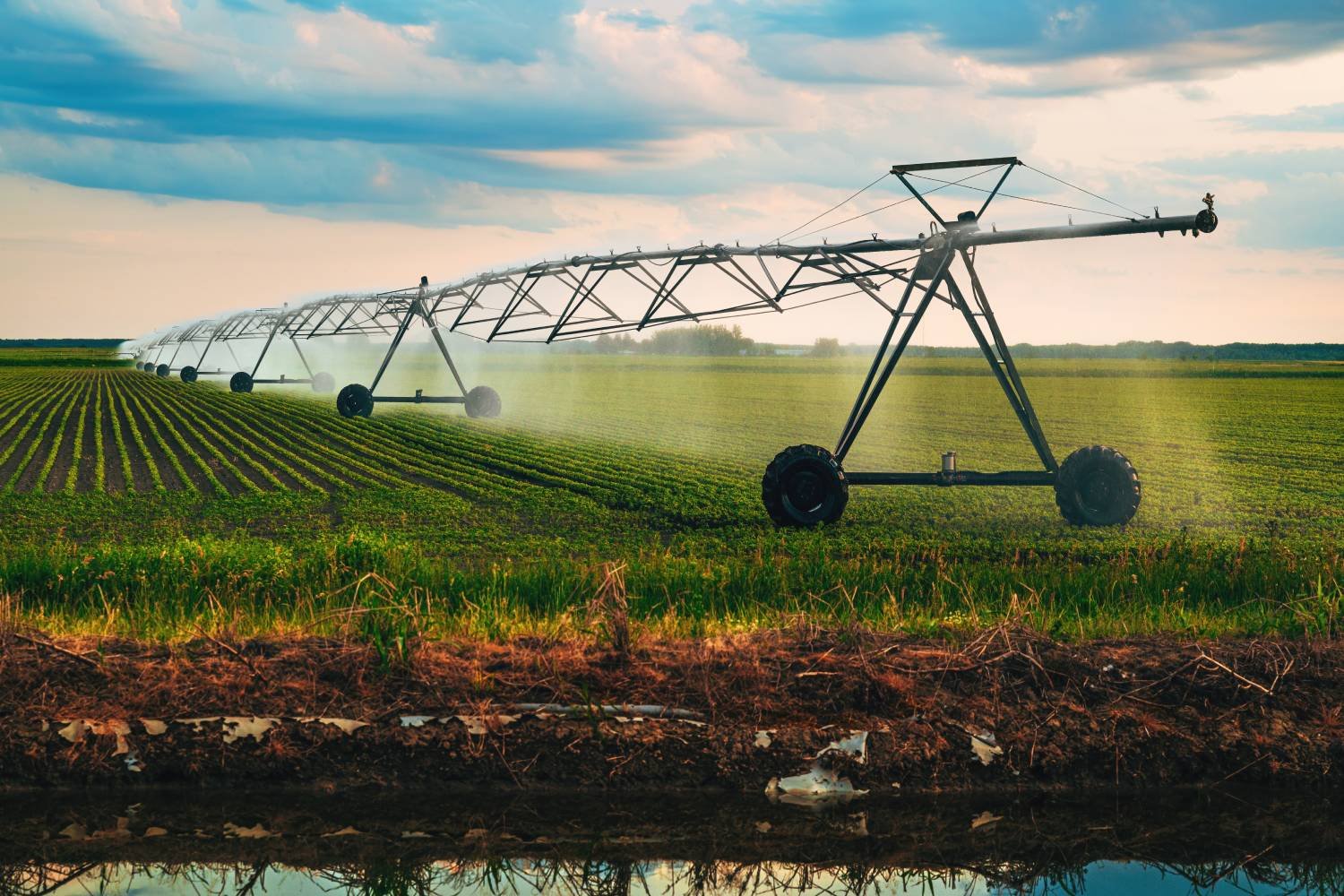
July is one of the hottest months of the growing season in many agricultural regions. During this period, proper irrigation practices play a crucial role in reducing heat stress while maintaining crop yield and quality. Here are three essential points to consider when planning your irrigation program during the summer months.
Irrigating during the hottest hours of the day can lead to increased water loss through evaporation. For better water efficiency, irrigation should be carried out early in the morning or during the cooler evening hours, allowing more water to reach the root zone effectively.
Water requirements vary depending on the crop species, growth stage, soil characteristics, and weather conditions. Over-irrigation may reduce oxygen availability around the roots, while insufficient irrigation can negatively affect plant growth. Regular field observations and a well-planned irrigation schedule help maintain healthy crop development.
High summer temperatures can cause soil moisture to decline rapidly. Maintaining adequate organic matter and following appropriate irrigation intervals help retain soil moisture for longer periods. This enables plants to better withstand heat stress and continue healthy growth.
A well-planned irrigation program during July not only improves water use efficiency but also supports healthy plant development, contributing to higher yield and better crop quality. When preparing an irrigation schedule, growers should consider crop type, soil conditions, and local climate. Applying the right amount of water at the right time is one of the most important factors for a successful growing season.
Citsa Tarım © 2026
copyright